


Altri Economisti » Saggi, articoli su riviste. Krugman ed altri » Selezione del Mese
Utopia al 99 percento, e denaro. Perché la felicità completa è possibile solo nella stagnazione. Di BRANKO MILANOVIC (6 maggio 2026)
May 06, 2026
99 percent Utopia and money
For full happiness is possible only in stagnation
 Let’s start with money. What is its central function? To coordinate plans of individuals and companies and to pull resources in the “right” direction. When I go to Starbucks to buy coffee, and have money to pay for it, I know that there will be a person willing to make that coffee for me, and there would be companies delivering coffee grains because they all expect to get money from me. So money enables us to make our plans consistent, starting from the coffee growers all the way to the final consumer.
Who is then going to do the coordination in Utopia if there is no money? But, before we answer that question, let’s go back and look at what is Utopia. I will use Marx’s definition given in the “Critique of the Gotha program”: Communism is the situation where “the productive forces have increased with the all-around development of the individual, and all the springs of co-operative wealth flow…abundantly—[so that]…the narrow horizon of bourgeois right [can] be crossed in its entirety and society inscribe on its banners: From each according to his ability, to each according to his needs!”. Utopia is thus a situation where goods and services are absolutely plentiful, there is no scarcity, and we can take as much of them as we like.
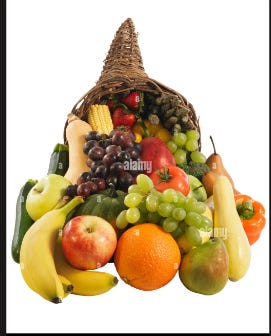
Now, some may stop me right there: this will never happen, they will say. But let’s not go that fast. Notice that when I go to my local Starbucks I have already entered a bit the “coast of Utopia”. I can get there an unlimited quantity of water, ice cubs, water cups, paper napkins, honey and milk, all for free. They are all laid out for all customers (and even for those who are not customers but just walk in) to take in unlimited amounts. There are other goods that have almost entered this cornucopia in our lifetimes: water, electricity. When I need to recharge my laptop I can count on getting free electricity from practically every store, train, or airport. There are of course other services like museums and open-air concerts that one can enjoy for free but they are a bit different because somebody else has paid for them. But I want to mention it here because we shall find them useful in a moment.
So, there is, I think, already now a limited, but growing, number of goods and services whose marginal cost of production is so low that they are practically free. (The average cost of production is not zero, but to an individual consumer these goods appear as free.) Consider now the behavior of people. Do they go to Starbucks stores and fill their pockets with free paper napkins or grab free ice cubes? No. Do they go to free open-air concerts day after day and fight for the spots? No. Once you know that such goods will be plentiful and free, you do not keep an unreasonable stock of them, nor do you fight to get them. You know they will be around when you need them.
So far we have I think made two important conclusions: there are goods that fall into the category of “Utopian goods” and behavior that people exhibit towards these goods does not include hoarding, wanton destruction or wastefulness.
Can we imagine that with economic progress more and more goods begin to fulfil this condition of Utopian goods? I think we can. Surely 40 or 50 years ago, you had to pay for the smallest piece of paper or paper napkin, not get it for free as now. (There is still a difference between the US and Europe in this: European Starbucks stores make it more difficult to get free paper napkins.) You even had to pay for a cup of water in an inn on a dirt road. Not today. So perhaps one day we shall walk into a Starbucks store and be given as much coffee for free as we like in the expectation that we shall buy some other, new fanciful product. But notice that when this happens, coffee will have joined paper napkins and ice cubes on our list of Utopian goods. So the list will be growing.
Extend this many years forward and assume that lots of the goods that we consume today eventually become Utopian. But who is going to produce them? Will not people have to be given some money-like coupons showing how many hours of work they did, coupons that would entitle them to goods and services? This does not make sense however because all goods, in any quantity, will be free to all, so coupon or no coupon you can get as much as you like. This then means that labor has to be entirely voluntary and free, not “paid” in any form. That too is not impossible to imagine. I am writing this blog for free. Of course, I hope to enhance my reputation (or to drive it into the ground) but there is not a single good or service that I will get from this writing. You will also read it out of interest, not for any pecuniary reason. Many activities can be done for free, simply because people like to do them. Many other boring, repetitive or hard jobs that people do today will be done by robots. Controlling robots will require a minimum of work—perhaps writing a software code about how they (the robots) should do certain tasks, a thing, which I am sure, thousands of smart young people will compete to do for free.
When I go to a restaurant, who is going to make the food or serve me? Partly robots, and partly people who like to be chefs or to provide good service. Actually, the quality of some goods and services may go up compared to what it is today simply because people do a better job at something which they like rather than at something they are (merely) paid to do.
But here I think we run into our first problem. There will be always better and worse restaurants simply because the chefs will not be the same. But since the price paid at every restaurant is the same (zero), there will be no mechanism to distribute customers between better and worse restaurants except through queues. So we shall have shortages for certain goods and services. The shortages will be, like in a centrally-planned economy, “solved” through queueing.
The second problem appears at the level of jobs. We may be able to fill 90% of jobs by robots, 9% of jobs by people who simply like to do these jobs, but 1% of jobs that are hard or done under unpleasant conditions and cannot be mechanized will be always difficult to fill. So, we shall have to give something to people who do these jobs: we shall have to attract them to do the work. But how to attract them if everything is free anyway? So, money under the guise of some special coupons would reappear. Perhaps we could give these latter-day Stakhanovites coupons which would allow them to jump the queue in the restaurants. Perhaps something else. But whatever we do, a rationing mechanism, implied by money, will be back in that segment of the system.
Finally, technological progress. If we assume that technological progress has stopped, I think the idea of moneyless Utopia is ultimately, at least conceptually, almost possible. But if technological progress continues with people inventing new things simply out of curiosity, that is without any material interest, these new goods, always scarce in the beginning, will have to be rationed. So to ration them, we shall need money or quasi money too.
In a stationary economy, the range of goods that are available for free and in unlimited quantities, and the range of jobs that are performed for free can be very high. We may have a 99% Utopia. But not a hundred percent Utopia.
But in a growing economy, Utopia becomes much less realistic. The faster we grow the greater the number of Utopian goods and closer we seem to be coming to Utopia; but also, the faster we grow the more we invent new goods that are necessarily short in supply, and simultaneously the further we get from Utopia. Thus the fundamental nature of economic progress reveals itself in Leif’s question: economic progress is making us richer daily, but leaves us equally unsatisfied. For full happiness is possible only in stagnation.
PS This is the integral text of my Webpost published in September 2015.But in a recent discussion with my friend Arjun Jayadev who has, together with J.W. Mason, just published a book “Against Money”, I was reminded of it and I thought it was worth reposting.
Utopia al 99 percento, e denaro.
Perché la felicità completa è possibile solo nella stagnazione.
Il mio caro amico e coautore Leif Wenar, nel suo primo tweet, ha posto questa domanda: “Amici, una domanda utopica. Manteniamo immutata la natura umana. Immaginiamo il miglior mondo possibile. Il denaro esiste?”. Non riuscivo a dormire la notte scorsa, quindi ho deciso di rifletterci su.
Cominciamo dal denaro. Qual è la sua funzione principale? Coordinare i piani di individui e aziende e indirizzare le risorse nella direzione “giusta”. Quando vado da Starbucks a comprare un caffè e ho i soldi per pagarlo, so che ci sarà una persona disposta a prepararmelo e che ci saranno aziende che consegneranno i chicchi di caffè, perché tutte si aspettano di ricevere denaro da me. Quindi il denaro ci permette di rendere coerenti i nostri piani, a partire dai coltivatori di caffè fino al consumatore finale.
Chi si occuperà del coordinamento in Utopia se non ci sono soldi? Ma prima di rispondere a questa domanda, torniamo indietro e consideriamo cosa sia Utopia. Userò la definizione di Marx data nella “Critica del Programma di Gotha”: il comunismo è la situazione in cui “le forze produttive sono aumentate con lo sviluppo a tutto tondo dell’individuo, e tutte le sorgenti della ricchezza cooperativa scorrono… abbondantemente, [così che]… lo stretto orizzonte del diritto borghese [può] essere superato nella sua interezza e la società iscrive sui suoi vessilli: Da ciascuno secondo le sue capacità, a ciascuno secondo i suoi bisogni!“. Utopia è quindi una situazione in cui beni e servizi sono assolutamente abbondanti, non c’è scarsità e possiamo prenderne quanto vogliamo.
Ora, qualcuno potrebbe fermarmi subito: questo non accadrà mai, diranno. Ma non affrettiamoci. Notate che quando vado al mio Starbucks di fiducia, sono già entrato un po’ nella “regione dell’utopia”. Lì posso prendere quantità illimitate di acqua, cubetti di ghiaccio, bicchieri, tovaglioli di carta, miele e latte, tutto gratis. Sono tutti a disposizione di tutti i clienti (e anche di chi entra senza prenotazione) che possono prenderne a volontà. Ci sono altri beni che sono quasi entrati in questa cornucopia nel corso della nostra vita: l’acqua, l’elettricità. Quando ho bisogno di ricaricare il mio portatile, posso contare sull’elettricità gratuita praticamente in ogni negozio, treno o aeroporto. Ci sono ovviamente altri servizi come musei e concerti all’aperto di cui si può usufruire gratuitamente, ma sono un po’ diversi perché qualcun altro li ha pagati. Voglio menzionarli qui perché ci saranno utili tra poco.
Credo quindi che esista già oggi un numero limitato, ma in crescita, di beni e servizi il cui costo marginale di produzione è così basso da risultare praticamente gratuito (il costo medio di produzione non è zero, ma per il singolo consumatore questi beni appaiono gratuiti). Consideriamo ora il comportamento delle persone. Vanno forse nei negozi Starbucks a riempirsi le tasche di tovaglioli di carta gratuiti o a prendere cubetti di ghiaccio gratis? No. Vanno forse a concerti gratuiti all’aperto giorno dopo giorno, lottando per accaparrarsi un posto? No. Una volta che si sa che tali beni saranno abbondanti e gratuiti, non se ne accumula una scorta irragionevole, né si lotta per ottenerli. Si sa che saranno disponibili quando se ne avrà bisogno.
Finora, credo, siamo giunti a due importanti conclusioni: esistono beni che rientrano nella categoria dei “beni utopici” e il comportamento che le persone manifestano nei confronti di questi beni non include l’accumulo, la distruzione indiscriminata o lo spreco.
Possiamo immaginare che con il progresso economico sempre più beni inizino a soddisfare questa condizione di beni utopici? Credo di sì. Sicuramente 40 o 50 anni fa, bisognava pagare anche il più piccolo pezzo di carta o tovagliolo di carta, non riceverlo gratuitamente come oggi (c’è ancora una differenza tra Stati Uniti ed Europa in questo senso: nei negozi Starbucks europei è più difficile ottenere tovaglioli di carta gratis). Bisognava persino pagare per un bicchiere d’acqua in una locanda su una strada sterrata. Non oggi. Quindi forse un giorno entreremo in un negozio Starbucks e ci verrà offerto tutto il caffè che vogliamo gratis, nell’aspettativa che acquisteremo qualche altro nuovo, fantasioso prodotto. Ma notate che quando ciò accadrà, il caffè si sarà unito ai tovaglioli di carta e ai cubetti di ghiaccio nella nostra lista di beni utopici. Quindi la lista continuerà ad allungarsi.
Proiettiamoci molti anni nel futuro e ipotizziamo che molti dei beni che consumiamo oggi diventeranno un’utopia. Ma chi li produrrà? Non si dovranno forse dare alle persone dei buoni, simili a denaro, che attestino il numero di ore di lavoro svolte, buoni che diano diritto a beni e servizi? Questo non ha senso, però, perché tutti i beni, in qualsiasi quantità, saranno gratuiti per tutti, quindi con o senza buoni si potrà ottenerne quanto si vuole. Ciò significa che il lavoro dovrà essere interamente volontario e gratuito, non “pagato” in alcun modo. Anche questo non è impossibile da immaginare. Scrivo questo blog gratuitamente. Certo, spero di migliorare la mia reputazione (o di rovinarla), ma non riceverò alcun bene o servizio da questo scritto. Lo leggerete anche voi per interesse, non per motivi economici. Molte attività possono essere svolte gratuitamente, semplicemente perché alle persone piace farle. Molti altri lavori noiosi, ripetitivi o faticosi che le persone svolgono oggi saranno svolti dai robot. Controllare i robot richiederà un minimo di lavoro, forse scrivere un codice software che definisca come essi (i robot) debbano svolgere determinati compiti, un’attività per la quale, ne sono certo, migliaia di giovani brillanti si contenderanno il lavoro gratuitamente.
Quando vado al ristorante, chi preparerà il cibo o mi servirà? In parte robot, e in parte persone a cui piace fare gli chef o offrire un buon servizio. In realtà, la qualità di alcuni beni e servizi potrebbe migliorare rispetto a oggi semplicemente perché le persone sono più brave a fare qualcosa che amano piuttosto che qualcosa per cui vengono (solo) pagate.
Ma credo che qui si presenti il primo problema. Ci saranno sempre ristoranti migliori e peggiori, semplicemente perché gli chef non saranno gli stessi. Ma poiché il prezzo pagato in ogni ristorante è lo stesso (zero), non ci sarà alcun meccanismo per distribuire i clienti tra ristoranti migliori e peggiori, se non attraverso le code. Quindi avremo carenze di determinati beni e servizi. Le carenze saranno, come in un’economia pianificata centralmente, “risolte” attraverso le code.
Il secondo problema si presenta a livello occupazionale. Potremmo essere in grado di coprire il 90% dei posti di lavoro con i robot, il 9% con persone che semplicemente amano svolgere questi lavori, ma l’1% dei lavori faticosi o svolti in condizioni spiacevoli e non meccanizzabili sarà sempre difficile da coprire. Quindi, dovremo dare qualcosa a chi svolge questi lavori: dovremo incentivarli a farlo. Ma come incentivarli se tutto è comunque gratuito? Ecco che ricomparirebbe il denaro sotto forma di buoni speciali. Forse potremmo dare a questi moderni stacanovisti dei buoni che permettano loro di saltare la fila al ristorante. Forse qualcos’altro. Ma qualunque cosa facciamo, un meccanismo di razionamento, implicito nel denaro, tornerà a farsi strada in quel segmento del sistema.
Infine, il progresso tecnologico. Se ipotizziamo che il progresso tecnologico si sia arrestato, credo che l’idea di un’utopia senza denaro sia, almeno concettualmente, quasi realizzabile. Ma se il progresso tecnologico continua con le persone che inventano cose nuove semplicemente per curiosità, cioè senza alcun interesse materiale, questi nuovi beni, sempre scarsi all’inizio, dovranno essere razionati. Quindi, per razionarli, avremo bisogno anche di denaro o di una sorta di moneta.
In un’economia stazionaria, la gamma di beni disponibili gratuitamente e in quantità illimitate, e la gamma di lavori svolti gratuitamente possono essere molto ampie. Potremmo vivere in un’utopia al 99%, ma non in un’utopia al cento per cento.
Ma in un’economia in crescita, l’utopia diventa molto meno realistica. Più velocemente cresciamo, maggiore è il numero di beni utopici e più sembriamo avvicinarci all’utopia; ma, allo stesso tempo, più velocemente cresciamo, più inventiamo nuovi beni che necessariamente scarseggiano, e contemporaneamente ci allontaniamo dall’utopia. Così, la natura fondamentale del progresso economico si rivela nella domanda di Leif: il progresso economico ci arricchisce ogni giorno di più, ma ci lascia ugualmente insoddisfatti. Perché la piena felicità è possibile solo nella stagnazione.
P.S. Questo è il testo integrale del mio post pubblicato sul web nel settembre 2015. Ma in una recente conversazione con il mio amico Arjun Jayadev, che ha appena pubblicato, insieme a JW Mason, il libro ” Against Money “, me ne sono ricordato e ho pensato che valesse la pena ripubblicarlo.
By mm
E' possibile commentare l'articolo nell'area "Commenti del Mese"